Observe
Start with a real situation, identify responses and separate facts from interpretations.
ExploreINERVA brings together two field-based careers around one question: how can we understand and work on the mechanisms that influence human performance?
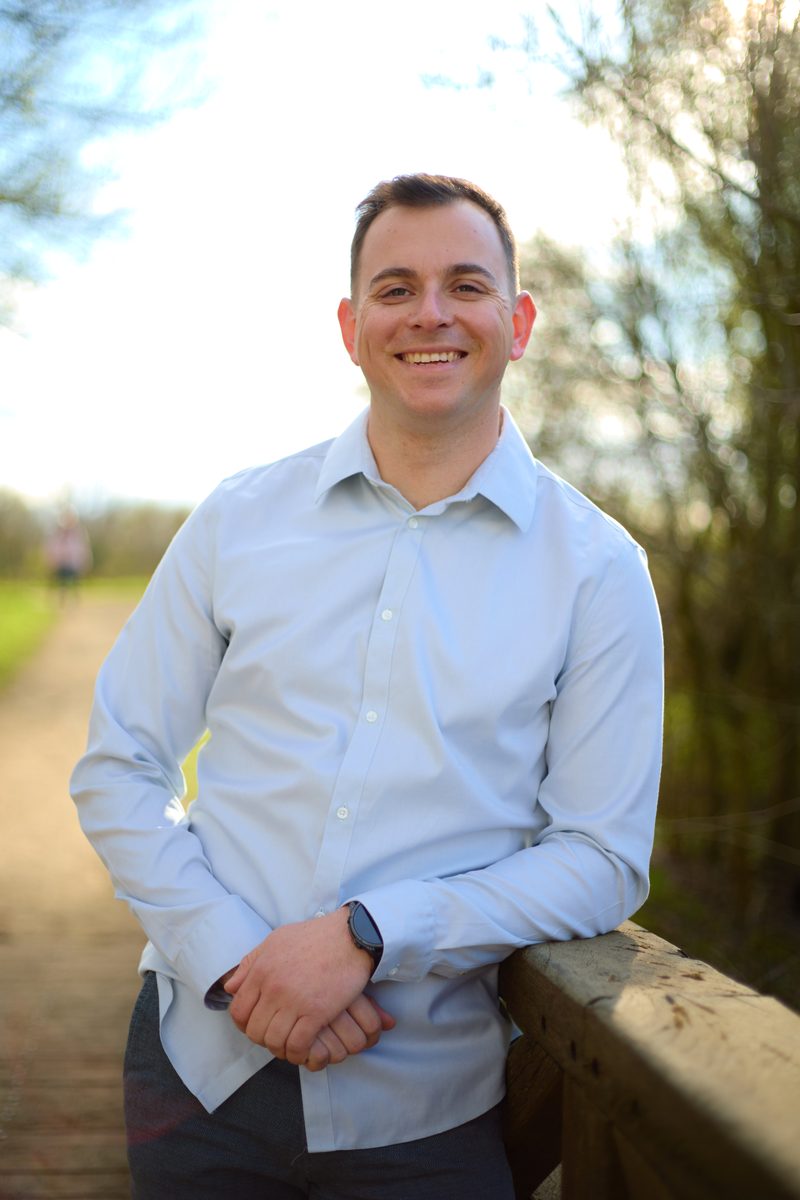
Over eleven years in a demanding military environment, including as a shooting instructor. A field perspective on attention, decisions and responses under pressure.
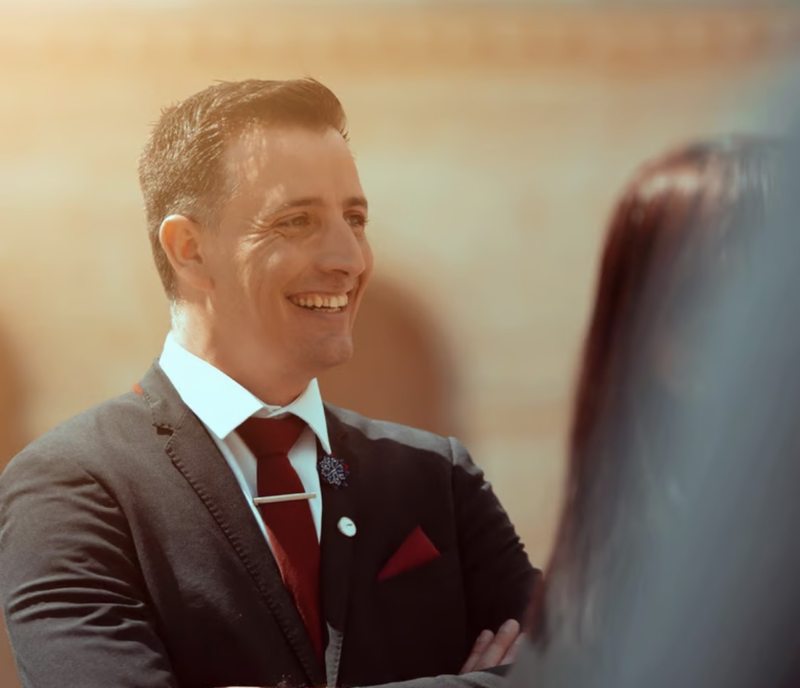
A mountain troops veteran, psychopractitioner and author. Founder of CEFIIH and creator of the M.A.S.H. method, he brings his experience in individual support and teaching.
Matthieu’s military background, including his experience as a shooting instructor, informs his perspective on concentration, decisions and responses under pressure.
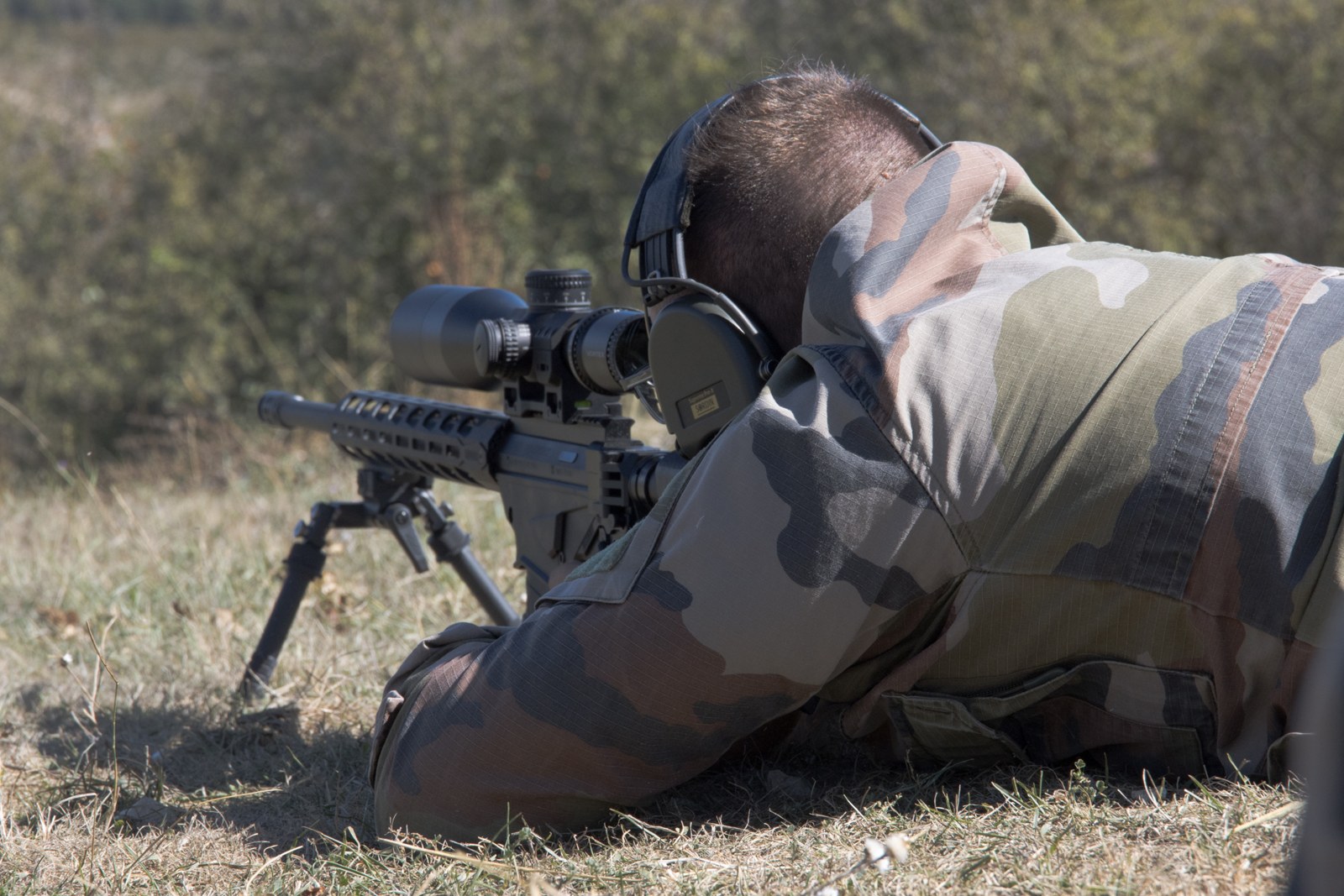
The way you perceive a situation influences what you notice, the decisions you make and how you act. Under pressure, some automatic responses are useful; others can limit your response.
At INERVA, we use “cognitive architecture” to describe how these mechanisms are organised. Our work involves observing them in your context, identifying areas to work on and testing your responses in practical situations.
An athlete has the technical skills, but their attention shifts at the decisive moment.
An executive knows the situation, but urgency narrows the options they consider.
The intervention focuses on what shapes their response in that situation.
Your situation, your goals, your questions. An initial conversation to find the right path for you.